

Fact Sheet FS1140
What are Native Plants?
Native plants are defined as naturally occurring species of the site, ecosystem, or region in question prior to Euro-American settlement of North America. Native plants are not a result of human intervention or breeding and have natural genetic diversity. Native plants are adapted to the local climate, geology, and soil conditions of their native ecosystems. Each species of native plant evolved complex relationships with other species of native plants, fungi, microbes, insects, and wildlife, forming the foundation of local food webs and contributing to healthy ecosystem function.
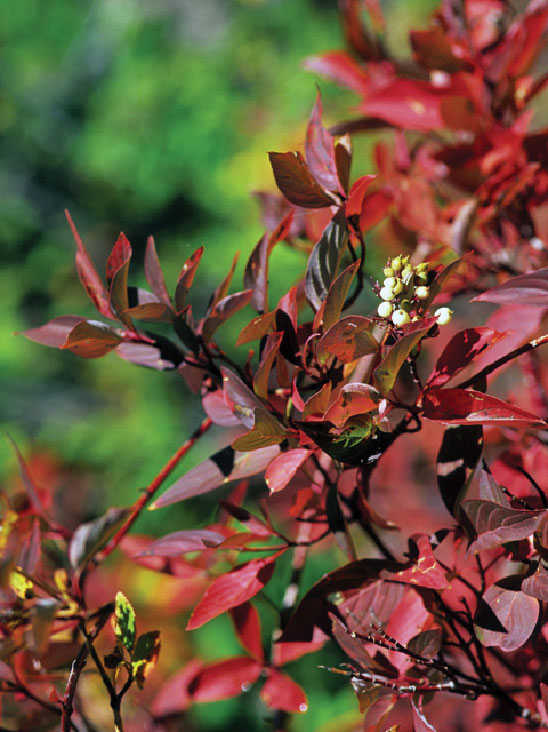
Figure 1: Swamp milkweed (Asclepias incarnata) summer flowers. Photo credit: Jean Epiphan.
Why Consider Native Plants?
Native Biodiversity Needs Our Help
Globally and locally, native biodiversity is rapidly declining due to habitat destruction and invasive species. In New Jersey, and across the county, conserved habitats and parklands do not offer sufficient refuge to preserve our native species. Yet in much of our residential developed lands we have an opportunity to support native species instead of hindering them with non-native and invasive plants. Planting locally native plants in your home landscape can be a great way to help rebuild crucial habitats that support at-risk species, pollinators, butterflies, birds and other wildlife. Native plants offer floral resources, forage, shelter, and notably larval hosting to insects they co-evolved with, that feed other native wildlife in the food web. For example, the Carolina chickadee, an insectivorous bird species, requires greater than 70% of native plant species in their immediate foraging and nesting area to successfully fledge their young and maintain their populations (Narango et al., 2018). This is one of many studies that has shown we must provide native plants as foundations of our local ecosystem to support wildlife, food webs, and healthy ecosystem functions, even in developed and residential landscapes.
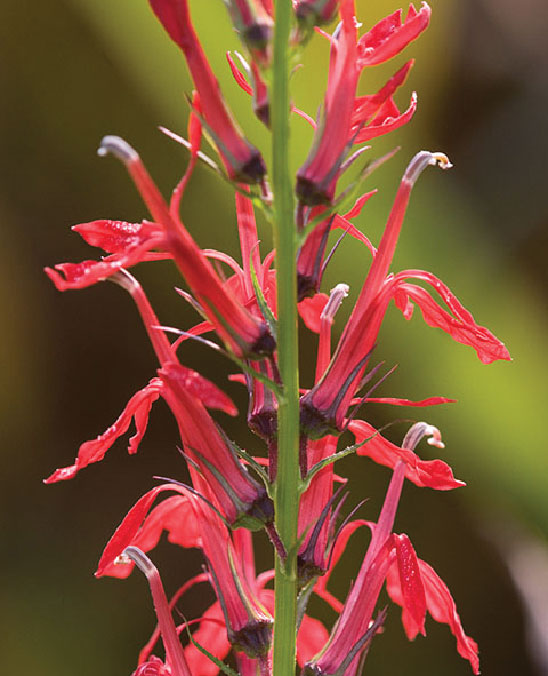
Figure 2: Christmas fern (Polystichum acrostichoides). Photo credit: Jean Epiphan.
Native Plants are Sustainable and Resilient
Native plants growing in their proper environments are very well-suited to persist and thrive without synthetics inputs like fertilizers or pesticides. In general, native plants require little care once established and are resilient to extreme weather events as well. Furthermore, if native plant leaf litter is left in beds and under plants, they become even more resilient, as they evolved to regulate soil moisture and feed themselves with decomposing leaves as they replenish soil nutrients (Epiphan, J. 2024). Overall, yards that maintain locally native plants with leaf litter as mulch are highly self-sustaining.
Promote Natural Heritage in Ornamental Landscapes
If designed effectively, native plants can be very ornamental and improve the aesthetic quality of your landscape, while promoting local natural heritage and authentic landscape identity. Too many landscapes rely on the same limited palettes of invasive and non-native plants that create predictable "copy-paste" landscape designs regardless of the region. This creates a loss of regional or even national aesthetic identity. Planting locally native plants, from canopy to groundcover, helps to promote true natural heritage and local landscape identity.
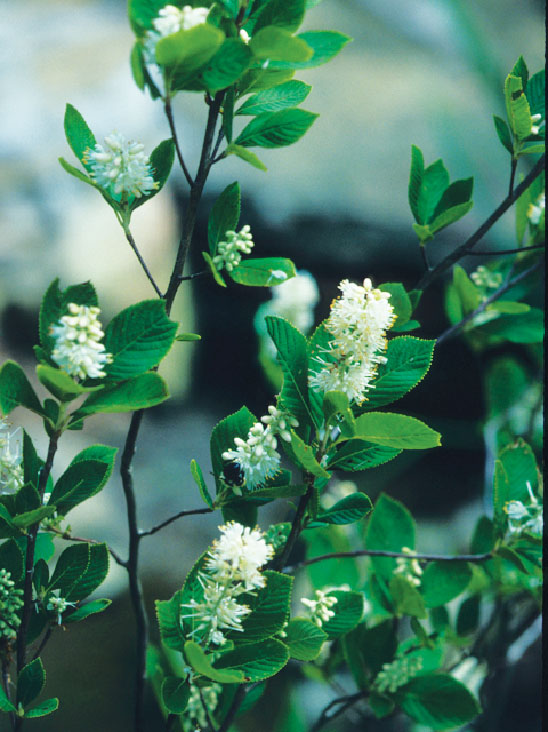
Figure 3: Downy serviceberry (Amelanchier arborea) tree flowering in spring. Photo credit: Jean Epiphan.
How to Start Incorporating Native Plants in Your Yard
When considering the use of native plants in your residential landscape, it is necessary to evaluate your yard first. This will greatly help your design and make the most appropriate native plants selections for each location on your property. Follow the four steps below to guide your process. Remember, this is a process that can be accomplished slowly over time, plant by plant, or in one full renovation. As long as you are taking steps to incorporate native plants in your yard, you are sustainably supporting native biodiversity and natural heritage.
Step 1: Identify Plant Species
It is best to know what you have growing on your property before you begin making changes. Refer to the resources section Plant Identification References for plant identification reference books and online websites. Plant identification apps can help as well as contacting your local county extension office Master Gardener Helpline or sending samples to the Rutgers Plant Diagnostic Laboratory.
It is crucial not to skip this step as there may be native plants and trees that can be conserved and protected in an updated landscape design. Some non-commercially available species or irreplaceable native plants can be present in your yard, plus, they are often highly sensitive to soil disturbances and can decline if site conditions change. It is best practice to protect and not disturb naturally occurring native species if they occur in your yard such. Examples of sensitive species that only appear in spring include spring beauty (Claytonia virginiana), yellow trout lily (Erythronium americanum), and bear corn (Conopholus americana) among many others (Figure 4).

Figure 4: (l–r): Examples of native spring ephemerals to look out for in your site assessment include spring beauty (Claytonia virginiana), yellow trout lily (Erythronium americanum), and bear corn (Conopholus americana). Photo credits: Jean Epiphan.
It is critical to know if you have detrimental non-native or invasive plants in your yard, as many can harm and prevent growth of native plants with their highly competitive mechanisms or soil altering compounds. Such detrimental or invasive species include but are not limited to Norway maple (Acer platanoides), English ivy (Hedera helix), barberry (Berberis thunbergii), zelkova (Zelkova serrata), Norway spruce (Picea abies), garlic mustard (Alliaria petiolata), and tree-of-heaven (Ailanthus altissima). Refer to the resources section for invasive plant identification information and tools.
Step 2: Creating Sustainable Spaces for Native Plants

Figure 5: Coral honeysuckle (Lonicera sempervirens) climbing vine flowering in late spring. Photo credit: Jean Epiphan.
Many residential landscapes are highly designed, and finding available space for new native plants can be a challenge. Yet, in renewing a yard to incorporate native plants, consider removing invasives to make space for native plants and improve ecosystem health. An excellent goal to strive for is to remove invasive plants and reduce remaining non-native species to below 30% cover; then attain greater than 70% native plant cover. For information on how to remove invasive plant refer to The New Jersey Invasive Species Strike Team information pages or the Rutgers Invasive Species of the Month Articles.
Standard lawn grass species are not native plants. Lawn grass and its care can harm native trees and shrubs that require natural soil structure, differing soil pH, or native leaf mulch. Removing lawn areas from under tree canopy driplines and increasing garden bed size is important for promoting long-term health and sustainability for native woody plants. If you have existing native trees and shrubs that can have their beds expanded, these areas can be planted with native understory plants, that offer "soft landings" for native insects and wildlife while benefiting woody plant and ecosystem health (Holm, H. and Neighborhood Greening, 2021).

Figure 6: (l–r): Pinxter azalea (Rhododendron periclymenoides) shrub in bloom in spring. Tall meadow-rue (Thalictrum pubescens) ethereal blooms in June. Highbush blueberry (Vaccinum corymbosum) shrub with bright red foliage in fall. Photo credits: Jean Epiphan.
Unused lawn areas can be converted to native garden beds, rain gardens, or reforestation areas with multiple layers of native vegetation. Landscape design companies can offer non-chemical lawn removal services such as sod cutting in areas that are not impacting tree roots. Manual removal of lawn is easier after autumn leaves are left for a growing season to smother it or use a sheet mulching technique.
Many garden beds are over-mulched and create convex, mounded beds that direct needed water away from plants. Consider reducing the height of these beds as this will reduce watering needs and drought conditions. Beds can be created or renovated to capture and retain stormwater in your landscape for your new plants. Plus, concave beds also help to capture fallen leaves, the optimal mulch for native plants, especially those that require humusy or rich soils derived from leaf mold.
Step 3: Assessing Landscape Conditions
There are four elements to assess for each available planting area on your property. These individual assessments are necessary as conditions can vary depending on the location. The results will inform which native plants are suitable for each location.

Figure 7: A 12-foot-tall bitternut hickory (Carya cordiformis) sapling protected from deer damage behind a 6-foot black wire mesh (2x4" mesh) barrier cut to fit around the lower branches and anchored with ground staples. Photo credit: Jean Epiphan.
Step 4: Selecting and Acquiring the Plants for your Landscape
Now the fun part begins by identifying what native plants you'd like for your landscape. Table 1 identifies commercially available, native plants that are of high value to native wildlife, provide habitat, and other crucial ecosystem services. It includes all the main site requirements you assessed in your yard and the mature size of plants and growth rates, to plan your landscape design accordingly. The list of native plants in Table 1 is not exhaustive, but rather a starting place of easy to grow, resilient species that are native to all or most of New Jersey's ecosystems. Other references for plant selections appropriate for New Jersey, by physiographic region, or specific plant community type are listed below under Native Plants of New Jersey References.
Native plants should be purchased or propagated from seed; they should never be removed from the wild. For a list of native plant retail nurseries, visit the Native Plant Society of New Jersey's directory of native plant retailers.
When purchasing native plants, it is very important to use scientific (Latin) names because common names can be interchanged or inaccurate. As cultivated species are not truly native, choose species that do not have a name in quotes after the common or scientific name, such as red maple 'October Glory'. It is best to source plants from nurseries that collect native seeds locally to grow and sell local progeny; this is optimal as they are well adapted to your local climate, soils, and ecosystems. Moreover, wild type progeny has high genetic diversity which is most sustainable.

Figure 8: (l–r): Swamp rose mallow (Hibiscus moscheutos) blooming in later summer. Sensitive fern (Onoclea sensibilis) flourishing in late spring. Common blue violet (Viola sororia) in early spring. Photo credits: Jean Epiphan.
Keep in mind that if planted in the best location, native plants will grow readily so consider buying smaller sized plants. Smaller sized plants adapt better to their new locations, suffer less transplant shock, and grow faster than larger sized plants.
Seeds of native plants are easy to acquire from local nurseries, native seed mail order companies, native seed libraries, and local seed swap events. To learn more about growing native plants from seed, reference Rutgers fact sheet FS1329, Native Plant Seed Propagation.
| Scientific Name | Common Name | Soil Moisture & Texture (if specific) | Soil pH Ideal Range | Sunlight | Average Mature Height in Feet | Growth Rate | Deer Resistance |
|---|---|---|---|---|---|---|---|
| CANOPY TREES | |||||||
| Acer rubrum | Red maple | Well-drained to wet | 4.5–7 | Part shade to sun | 60–90 | Moderate | Low |
| Carya cordiformis | Bitternut hickory | Well-drained to wet | 5.5–8 | Part shade to sun | 60–90 | Slow | Low |
| Carya glabra | Pignut hickory | Well-drained to moist | 5–8 | Part shade to sun | 60–90 | Slow | Low |
| Carya ovata | Shagbark hickory | Well-drained to moist | 5.5–7.5 | Part shade to sun | 60–90 | Slow | Low |
| Carya tomentosa | Mockernut hickory | Well-drained to moist | 5–7.5 | Part shade to sun | 60–90 | Slow | Low |
| Juniperus virginiana | Eastern redcedar | Well-drained, dry to moist | 5–8.5 | Sun to part sun | 30–60 | Fast | Low |
| Liriodendron tulipifera | Tulip tree | Well-drained to moist | 5.5–7.5 | Sun to part sun | 80–150 | Fast | Moderate |
| Nyssa sylvatica | Black tupelo | Wet to well-drained | 5–6.5 | Part shade to sun | 60–80 | Moderate | Low |
| Pinus rigida | Pitch pine | Well-drained, dry to moist, sandy or rocky | 4.5–6.5 | Full sun | 40–70 | Slow | Moderate |
| Prunus serotina | Black cherry | Well-drained to moist, sandy or loamy | 5.5–7 | Full to part sun | 50–80 | Fast | Low |
| Quercus alba | White oak | Well-drained to moist | 5–7 | Part shade to sun | 80–100 | Slow | Low |
| Quercus bicolor | Swamp white oak | Wet to moist to well-drained | 4.5–6.5 | Part shade to sun | 60–75 | Slow | Low |
| Quercus montana | Chestnut oak | Well-drained, rocky to sandy loam | 5–7 | Part shade to sun | 50–100 | Slow | Low |
| Sassafras albidum | Sassafras | Well-drained to moist, sandy to loamy | 6–7 | Sun to part shade | 30–60 | Moderate | Low |
| SMALL TREES & UNDERSTORY TREES | |||||||
| Amelanchier arborea | Downy serviceberry | Well-drained to moist | 5.5–7 | Part sun to shade | 30–40 | Moderate | Low |
| Amelanchier canadensis | Serviceberry | Well-drained to moist, rich | 5.5–7 | Part sun to shade | 15–30 | Moderate | Low |
| Betula populifolia | Grey birch | Well-drained to moist | 5–7 | Full to part sun | 20–30 | Fast | Low |
| Carpinus caroliniana | American hornbeam | Well-drained to wet, rich | 4.5–7.2 | Part sun to shade | 30–40 | Moderate | Low |
| Cornus alternifolia | Alternate-leaf dogwood | Moist to well-drained, rich, loamy | 5–6.5 | Part sun to shade | 25–30 | Slow | Low |
| Cornus florida | Flowering dogwood | Moist to well-drained, rich, sandy to loamy | 5.5–6.5 | Part sun to shade | 30–40 | Slow | Low |
| Ilex opaca | American holly | Well-drained to moist | 5–7 | Sun to shade | 35–50 | Slow | High |
| Magnolia virginiana | Sweetbay magnolia | Wet to moist, rich | 5.5–6.5 | Full to part sun | 30–50 | Moderate | Low |
| Rhus copallinum | Winged sumac | Well-drained, dry to moist | 6–7 | Full to part sun | 15–30 | Fast | Low |
| SHRUBS | |||||||
| Cephalanthus occidentalis | Buttonbush | Wet to moist | 6–7.2 | Sun to shade | 6–15 | Moderate | Moderate |
| Clethra alnifolia | Sweet pepperbush | Wet to moist, sandy to loamy | 4.5–6.5 | Part sun to part shade | 6–10 | Moderate | Low |
| Comptonia peregrina | Sweet fern | Well-drained to moist, sandy, peaty, loamy | 4–6.5 | Part sun to part shade | 2–3 | Moderate | High |
| Cornus racemosa | Grey dogwood | Well-drained | 5.5–7.5 | Part sun to part shade | 10–15 | Moderate | Moderate |
| Cornus sericea | Red-osier dogwood | Moist | 5.5–7 | Part sun to part shade | 6–9 | Fast | Low |
| Corylus americana | American hazelnut | Well-drained to moist | 5.5–7.5 | Part sun to full shade | 6–15 | Moderate | Low |
| Ilex glabra | Inkberry holly | Moist to wet, sandy, peaty or loamy | 4.5–6.5 | Part sun to part shade | 5–8 | Slow | Moderate |
| Ilex verticillata | Winterberry holly | Wet to moist | 4.5–6.5 | Part sun to part shade | 5–15 | Slow | Low |
| Hamamelis virginiana | Witch hazel | Well-drained to moist, rich | 5–6.8 | Part sun to full shade | 15–25 | Slow | Low |
| Kalmia latifolia | Mountain laurel | Well-drained to moist | 4.5–6 | Part sun to part shade | 6–15 | Slow | Low |
| Lindera benzoin | Spicebush | Wet to moist, rich, loam, clay | 5–8 | Part shade, shade | 6–12 | Moderate | Low |
| Morella pensylvanica | Northern bayberry | Moist to well-drained, sandy to loamy | 5–7 | Full to part sun | 5–12 | Moderate | High |
| Rhododendron periclymenoides | Pinxter azalea | Well-drained to moist, rich, sandy to loamy | 4.5–6 | Part sun to part shade | 4–10 | Slow | Low |
| Rhododendron viscosum | Swamp azalea | Wet to moist, rich, sandy to loamy | 4.5–6 | Part sun to part shade | 3–8 | Slow | Low |
| Salix discolor | Pussy willow | Wet to moist | 6–7.2 | Full sun | 10–20 | Fast | Low |
| Sambucus nigra | Black elderberry | Wet to moist | 5.5–7.2 | Full to part sun | 8–20 | Fast | Moderate |
| Spirea alba | Meadowsweet | Wet to moist | 4–7 | Full to part sun | 3–6 | Moderate | Low |
| Vaccinium corymbosum | Highbush blueberry | Wet to moist | 4.2–5.5 | Part sun to part shade | 6–12 | Moderate | Low |
| Viburnum prunifolium | Blackhaw viburnum | Moist to well-drained | 5.5–7.5 | Part sun to part shade | 12–20 | Moderate | Moderate |
| WOODY VINES | |||||||
| Lonicera sempervirens | Coral honeysuckle | Well-drained | 6–7 | Full sun | 8–20 | Fast | High |
| Parthenocissus quinquefolia | Virginia creeper | Wet to well-drained | 5–8 | Sun to shade | 2–60 | Fast | Moderate |
| Vitis vulpina | Frost grape | Wet to well-drained | 5.5–6.5 | Part sun to part shade | 15–20 | Fast | Moderate |
| FLOWERING PERENNIALS | |||||||
| Allium tricoccum | Wild leeks (ramps) | Well-drained, moist, rich, loamy | 5.5–7 | Part sun to shade | 1–1.5 | Slow | High |
| Asclepias incarnata | Swamp milkweed | Wet to moist | 6–7.5 | Full to part sun | 3–5 | Moderate | High |
| Asclepias tuberosa | Butterfly milkweed | Well-drained | 6–7 | Full sun | 1–3 | Moderate | High |
| Eurybia divaricata | White wood aster | Moist to well-drained | 5.5–7.2 | Part sun to full shade | 2–3 | Moderate | Moderate |
| Eutrochium maculatum | Spotted joe-pye-weed | Moist to wet, rich | 5–8 | Sun to part shade | 4–8 | Moderate | Moderate |
| Eutrochium purpureum | Sweet-scented joe-pye-weed | Moist to well-drained | 5–7.2 | Sun to part shade | 4–8 | Moderate | Moderate |
| Helenium autumnale | Sneezeweed | Moist to wet, rich | 5.5–7 | Sun to part sun | 3–5 | Fast | High |
| Helianthus decaptalus | Ten-petaled sunflower | Well-drained to moist, rich, loamy | 6–7.5 | Part sun to part shade | 4–6 | Fast | Moderate |
| Helianthus divaricatus | Woodland sunflower | Well-drained, sandy to loamy | 6–7.5 | Part sun to part shade | 4–6 | Fast | Moderate |
| Hibiscus moscheutos | Swamp rose mallow | Wet to moist | 6–7.2 | Full to part sun | 4–6 | Moderate | Moderate |
| Lobelia siphilitica | Blue lobelia | Moist to wet | 6–7 | Part sun to shade | 2–3 | Moderate | Moderate |
| Monarda fistulosa | Wild bergamot | Moist to well-drained | 6–8 | Full sun | 3–5 | Moderate | High |
| Packera aurea | Golden ragwort | Moist to wet, rich | 5.5–7 | Part sun to shade | 1–2 | Moderate | High |
| Phlox subulata | Moss phlox | Well-drained, rocky or sandy | 5–7 | Full sun | < 1 | Moderate | Moderate |
| Podophyllum peltatum | Mayapple | Moist to well-drained, rich, loam to sandy loam | 5–7 | Part to full shade | 1–2 | Moderate | High |
| Polygonatum biflorum var. commutatum | Giant Solomon's seal | Well-drained, moist, rich, loamy | 5.5–7 | Part to full shade | 2–4 | Slow | Moderate |
| Pycnanthemum muticum | Short-toothed mountain mint | Moist to well-drained | 6–7.5 | Full sun to part shade | 2–4 | Fast | High |
| Rudbeckia fulgida | Orange coneflower | Moist to well-drained | 5.8–7.5 | Full to part sun | 2–3 | Moderate | High |
| Solidago caesia | Bluestem goldenrod | Well-drained to moist | 5.5–7.2 | Part sun to shade | 1–3 | Moderate | Moderate |
| Solidago odora | Anise-scented goldenrod | Well-drained, moist to dry | 5–6.8 | Full sun to part shade | 3–5 | Moderate | High |
| Solidago rugosa | Wrinkleleaf goldenrod | Well-drained to moist | 5.5–7.5 | Full sun to part shade | 3–4 | Fast | High |
| Symphyotrichum novae-angliae | New England aster | Moist to wet, rich | 5–7 | Full to part sun | 3–4 | Moderate | Moderate |
| Symphyotrichum lateriflorum | Calico aster | Moist to well-drained | 6.5–8 | Part sun to part shade | 3–4 | Moderate | High |
| Thalictrum pubescens | Tall meadow-rue | Wet to moist, rich, loamy | 5.5–7 | Part sun to part shade | 5–6 | Moderate | High |
| Vernonia noveboracensis | New York Ironweed | Wet to moist | 5–7 | Full to part sun | 6–8 | Fast | Moderate |
| Viola sororia | Common blue violet | Well-drained to moist | 6–7 | Part sun to part shade | < 1 | Fast | High |
| Zizia aptea | Heartleaf Alexanders | Well-drained, moist to dry | 6–7.5 | Full to part sun | 2–3 | Fast | High |
| Zizia aurea | Golden Alexander | Moist to well-drained | 6–7.5 | Full to part sun | 2–3 | Fast | High |
| GRASSES, SEDGES, & RUSHES | |||||||
| Andropogon gerardii | Big bluestem | Well-drained, dry to moist | 5.5–7.5 | Full sun | 4–5 | Fast | High |
| Andropogon virginicus | Broom sedge | Well-drained, dry to moist | 6–8 | Sun to part shade | 3–5 | Moderate | High |
| Carex laxiculmis | Blue wood sedge | Moist to well-drained, rich | 5.5–7 | Part to full shade | < 1 | Moderate | High |
| Carex pensylvanica | Pennsylvania sedge | Well-drained to moist, rich, loamy or sandy | 5–7 | Part to full shade | < 1 | Slow | High |
| Carex rosea | Rosy sedge | Moist to well drained, rich | 5.5–7.5 | Part sun to shade | < 1–2 | Moderate | High |
| Dichanthelium clandestinum | Deertongue grass | Well-drained to moist | 5–7.2 | Sun to shade | 2–4 | Moderate | High |
| Elymus hystrix | Bottlebrush grass | Well-drained to moist | 6–8 | Part sun to part shade | 3–5 | Moderate | High |
| Eragrostis spectabilis | Purple lovegrass | Well-drained to dry | 6–7 | Full sun | 1–2 | Moderate | High |
| Juncus effusus | Soft rush | Wet to moist | 6–7.5 | Full to part sun | 3–4 | Moderate | High |
| Panicum virgatum | Switchgrass | Moist, well-drained to wet | 5.5–7 | Full sun | 4–5 | Fast | High |
| Schizachyrium scoparium | Little bluestem | Well-drained, dry to moist | 5.5–8 | Full sun | 2–3 | Moderate | High |
| Sorghastrum nutans | Indian grass | Well-drained | 5–7.5 | Full sun | 4–6 | Moderate | High |
| FERNS | |||||||
| Athryium filix-femina | Lady fern | Moist to wet, rich | 5.5–7.2 | Part to full shade | 1–3 | Moderate | Moderate |
| Adiantum pedatum | Northern maidenhair fern | Moist to well-drained, rich, loamy | 6–7.5 | Part to full shade | 1–3 | Slow | High |
| Dryopteris marginalis | Marginal woodfern | Well-drained to moist, rich, rocky | 4.5–7 | Part to full shade | 1–3 | Slow | High |
| Onoclea sensibilis | Sensitive fern | Wet to moist, rich | 5–7.2 | Part sun to part shade | 1–3 | Fast | Moderate |
| Osmunda reglalis | Royal fern | Wet to moist, rich | 5–6.8 | Sun to part shade | 4–5 | Moderate | Moderate |
| Osmundastrum cinnamomeum | Cinnamon fern | Wet to moist, rich | 5–6.8 | Part to full shade | 2–4 | Moderate | Moderate |
| Polystichum acrostitchoides | Christmas fern | Well-drained to moist, rich, sandy to rocky, or loamy | 4.5–6.8 | Part to full shade | 1–2 | Slow | High |
This updated fact sheet is based on the work originally authored by Meredith Melendez during her tenure as Burlington County Horticulturist, and Deborah Pinto, Rutgers Master Gardener of Burlington County.
Plant Identification References
- iNaturalist
- Newcomb, L. 1989. Newcomb's Wildflower Guide. Boston; Toronto: Little, Brown and Company.
- Virgina Tech Dendrology
Native Plants of New Jersey References
Text References
Resources for More Information
Top Photo Captions
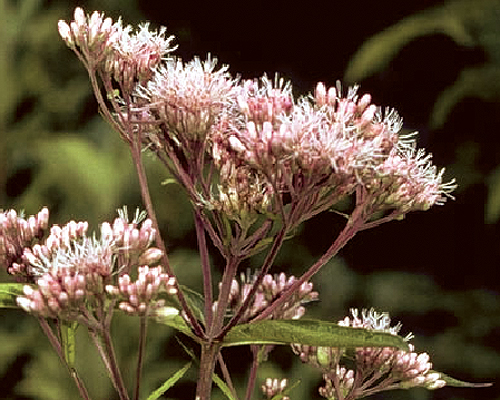
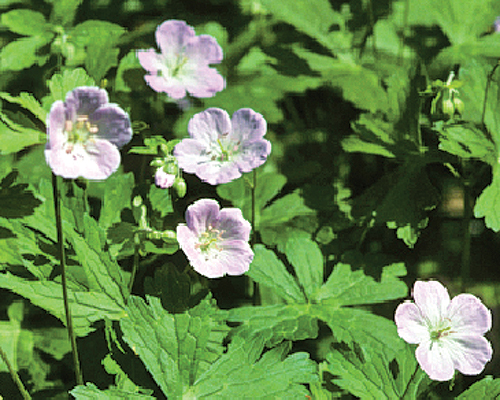
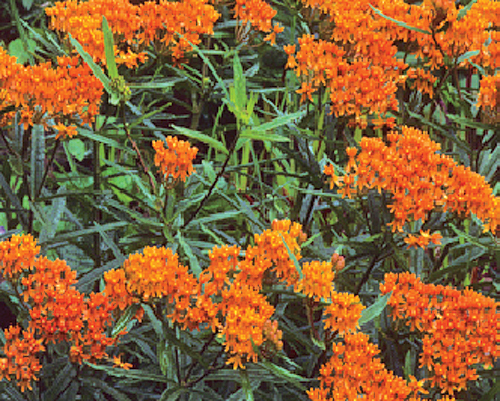
(l–r): Wild bergamot (Monarda fistulosa), Giant Solomon's seal (Polygonatum biflorum var. commutatum), Shagbark hickory (Carya ovata) tree. Photo credits: Jean Epiphan.
March 2026
Copyright © 2026 Rutgers, The State University of New Jersey. All rights reserved.
For more information: njaes.rutgers.edu.
Cooperating Agencies: Rutgers, The State University of New Jersey, U.S. Department of Agriculture, and Boards of County Commissioners. Rutgers Cooperative Extension, a unit of the Rutgers New Jersey Agricultural Experiment Station, is an equal opportunity program provider and employer.