

Fact Sheet FS759
As with humans, chronological age does not always match the biological aging process, which can be quite individual. Generally, horses aged 20+ years are considered "old" because reductions in exercise capacity have been reported, and the prevalence of clinical signs, as well as the diagnosis of certain age-related medical conditions, appears to increase, requiring special care. In addition, many horses are retired at 20 years of age. However, there are also horses more than 20 years old that are still valued as riding or even performance horses or, in the case of stallions and mares, used for breeding, sometimes even past the age of 30 years. Chronological age alone should, therefore, not be a criterion for retirement or special management. If the horse is in good body condition, healthy, and active even at 20+ years, don't change the routine. However, if an aged horse has some of the problems listed in Table 1, it may be a candidate for special care. To detect health problems, routine veterinary wellness exams should be continued even for horses aged 20+ years (at least 1 exam per year), and the horses should be routinely monitored for changes in health status by their caretakers, even when they are fully retired. In addition, if a horse is still performing structured exercise, care should be taken not to overwhelm the horse, given age-related declines in exercise capacity and changes in exercise ability, due to medical conditions. Nutritional recommendations for conditions common in aging equids are given in Table 2.
Management of Changes and Problems Associated with Aging in Horses
Arthritis
As with human athletes, years of stress, injuries, and general wear and tear can result in painful and crippling arthritic changes in older horses. Arthritis is a combination of inflammation and progressive degeneration of the tissues associated with a joint that makes flexion and/or weight bearing painful, leading to lameness, shortened strides and reluctance to move. Ringbone and spavin are examples of arthritic problems commonly seen in older horses. However, the stiffness that the aged horse will warm out of quickly when exercised should not be a cause for alarm or retirement.
In advanced age, it is not uncommon for horses to become reluctant to lie down, due to difficulty in getting back up. This is especially true if they are confined to a stall where exercise and space are limited. If a horse is not lying down, it can be determined by the lack of bedding or stains on its belly, outer thighs, or tail, or never having shavings stuck in its mane or tail. While no studies have been done to determine how much "down time" a horse needs, we at least know typical values. A REM sleep average of 0.67 h per day is not possible for standing horses. Most horses will lie down at least once a day/night. Horses that do not lie down for prolonged periods of time due to pain or fear will often have stains or abrasions only on the front of their front legs. These are caused when the standing horse starts to fall into deep sleep and collapse, only to wake up and catch itself before going completely down. These horses are at greater risk of being unable to rise if they do go down and should be watched carefully. Stall/shed cams are becoming cheaper and can provide insight into horse behavior and activities when humans are absent.
If an older horse is down and unable to rise on its own, you may need help in assisting it up. Be very careful not to put yourself or others at risk when assisting a horse that has been down for a long time. If possible, roll the horse onto its chest with plenty of room in front of it. When the horse starts to rise, it will extend its front legs and lurch forward as it tries to push up with its hind legs. Provide good traction for the hind feet. Never stand on the side where the feet are visible; the horse often moves its legs forcefully and quickly when attempting to rise and may kick or step on you. For example, if the horse is lying on its left side with its feet extended to the right, you should approach and do all manipulations on the horse's left side. Position someone at the head or shoulder to help steady the horse as it starts to rise, and another person at the back of the rump to help push it forward and up. If the horse has been down for a long time, it may be weak and struggle and/or collapse suddenly. Be extremely careful not to be in a position where if the horse starts to go down again, you could be hit by flailing legs or trapped underneath its body. It is always good to remember that human safety supersedes horse safety. Once up, the horse may stagger. Try to support it without putting yourself at risk if it collapses. Massaging the limbs and muscles to get the circulation going again may help. A horse that's been struggling for a while may benefit from veterinarian intervention and probably IV fluids/glucose. Horses are large animals and if they are stuck in a hard to access area (e.g., bog, ravine), help may be required. It's good to know of any large animal rescue resources in your area.
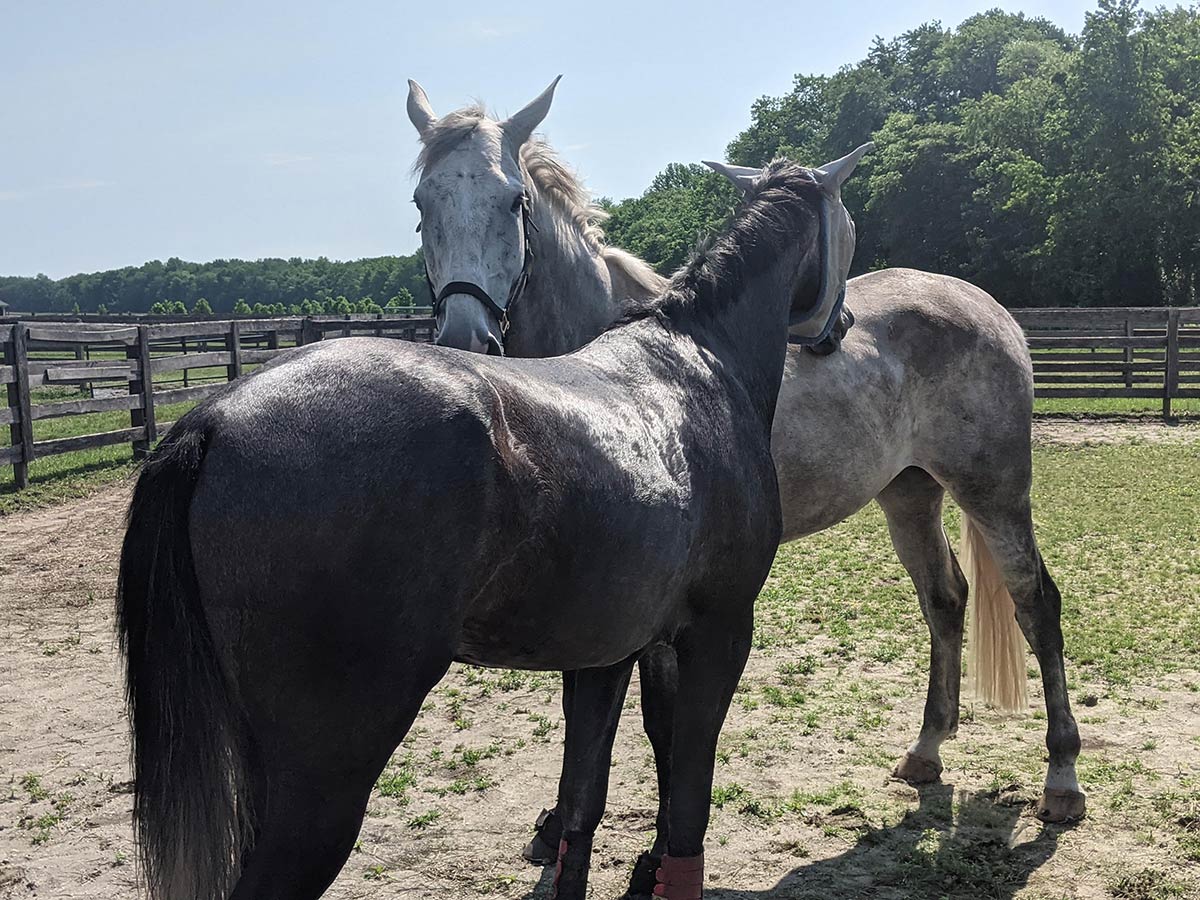
Picture 1: Allowing an older horse turnout with another compatible horse will allow them to move around and socialize.
To make the arthritic horse more comfortable, keeping your horse warm during the winter months, low-impact exercise, consult your farrier and veterinarian regarding the optimal way to trim or shoe the horse. Use anti-inflammatory drugs, joint supplements or other remedies recommended by your veterinarian if the horse is in chronic pain. Monitor weight and don't let the horse become obese, since extra weight will increase the stress on its legs and contribute to other metabolic problems, such as laminitis.
Do not confine the horse to a stall unless necessary for medical reasons. Arthritic horses will be more comfortable, the more they are free to move around. Ideally, there should be free access to turnout, preferably with another compatible horse or pony for company. If confinement is necessary, make sure to evaluate bedding/flooring/footing to provide optimal cushion, support, and traction.
Muscle Wasting
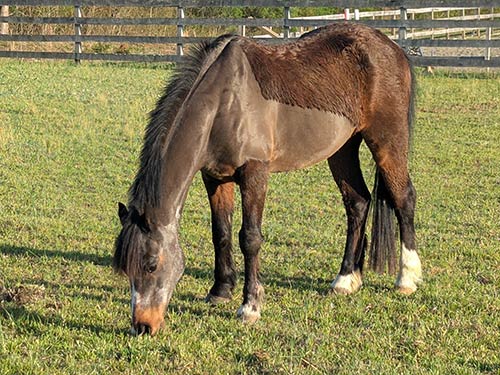
Age-related muscle wasting, commonly referred to as sarcopenia in humans, is a progressive condition characterized by generalized loss of skeletal muscle mass which can lead to reduced muscle strength and function. In humans, age-related muscle loss is connected to physical disability, poor quality of life, increased fall risk, and higher mortality, and the condition also affects horses negatively. For example, muscle wasting can adversely affect a horse's welfare and ability to work. The loss of muscle mass over the topline and in the neck is commonly seen in older horses. In this case, the back becomes more "sharp" looking; the pelvis, spine, withers and shoulder appear more prominent. Estimates suggest that every sixth horse over 15 years of age has low muscle mass, and the proportion is even higher in horses over 20 years of age.
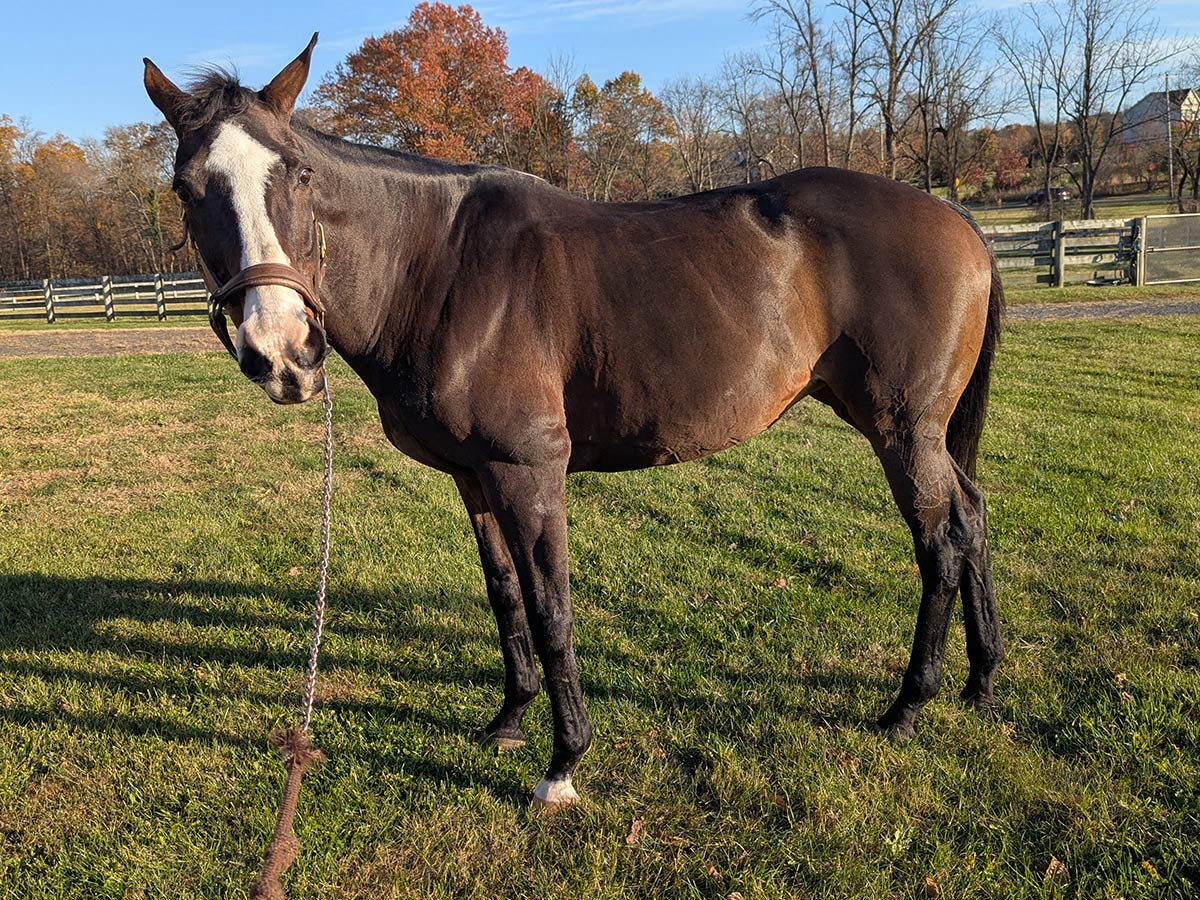
Picture 2: An older horse with loss of muscle through the neck, shoulder and over the topline.
Horses, like all mammals, progressively lose small amounts of muscle mass as part of the normal aging process. However, older horses are also commonly affected by age-related medical conditions such as osteoarthritis or pituitary pars intermedia dysfunction (PPID), which can exacerbate this natural process. Painful conditions like osteoarthritis may make horses reluctant to move and can cause muscle loss resulting from disuse of the muscles. PPID likely causes muscle loss in a more direct way as part of the disease process. Older horses may also be affected by age-unrelated medical conditions that can cause a loss of muscle mass, such as the painful condition laminitis, equine protozoal myeloencephalitis (EPM), or Vitamin E deficiency. In addition, changes in the exercise regimen and diet can lead to loss of muscle mass in horses of any age.
Low muscle mass can negatively affect a horse's welfare, e.g., by making it more difficult for the horse to get up after lying down or to interact with other horses. In addition, low muscle mass can reduce a horse's performance/ability to work. Thus, routine monitoring for changes in muscle mass is recommended. Ideally, an objective, muscle-specific approach should be used (e.g., a muscle scoring system) because subtle muscle changes are difficult to detect even for experienced individuals and horses can have high body fat but low muscle mass and vice versa.
If muscle loss is detected, and external causes such as changes in exercise and diet can be excluded, a veterinarian should be consulted. Muscle loss is often most treatable when detected early, and treating the underlying health condition (e.g., pain-reducing therapy for arthritis, or Vitamin E provision for deficient horses) can reduce the progression of muscle loss or reverse it. Vitamin E is found naturally in fresh pasture grass. For horses with limited or no access to pasture, ask your veterinarian about testing for serum vitamin E and consider supplementation if warranted. In some cases, however, treating the underlying condition does not help. For example, treating PPID-affected horses with pergolide does not seem to improve their muscle loss. In these cases, other strategies might be helpful, such as specialized diets (see Table 2) and exercise prescriptions. Exercises that may be helpful are, e.g., carrot stretches and gymnastic training (e.g., walking up and down hills, tight turns and stepping over obstacles), if possible, for the older horse, given their health status.
Weight Loss/Poor Condition
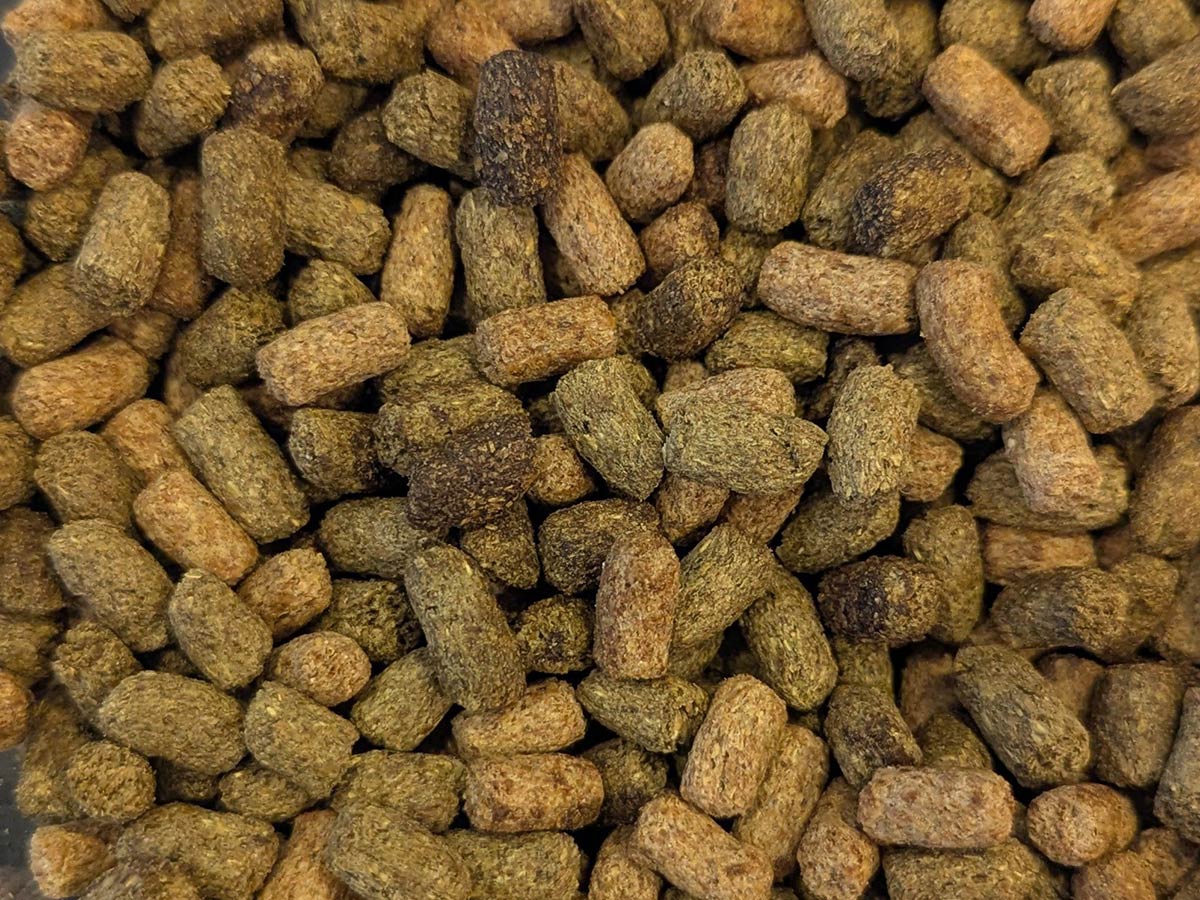
Picture 3: A close up of extruded feed.
The most common causes of weight loss in aged horses are inappropriate deworming, debilitating diseases, and/or dental inadequacy. If an older horse fails to maintain adequate body weight despite an appropriate deworming protocol, normal appetite, and adequate rations, its teeth should be checked carefully using a full-mouth speculum. Merely pulling the tongue to one side to look at the back teeth is not a reliable method of detecting dental abnormalities. If the teeth are normal, the horse should be carefully checked for disease by having a veterinarian perform a thorough physical exam, including a blood sample to check for chronic infections, liver or kidney dysfunction or other medical conditions suspected by your veterinarian. Also evaluate herd dynamics and feed/water/shelter placement and distribution to ensure adequate access for horses that are struggling with weight/condition.
If no other abnormalities are found, environmental changes, such as stress due to the introduction of a dominant horse or changes in exercise intensity, could play a role, or the horse may be suffering malabsorption of its nutrients and/or other alterations in digestion. In such horses, a "senior" type ration may help. Such rations should provide at least 12% protein, with restricted calcium (<1.0%) and slightly increased phosphorus (0.3-0.5%) in the total ration. The calcium/phosphorus ratio, however, should be greater than 1:1, never with calcium being less than phosphorus. Crude fiber content should be above 10%, and even higher if the feed was designed to be fed without hay. The digestibility of the concentrates should be maximized by processing. Extruded feeds are heat pressed to allow for higher digestibility.
A typical ration for a 1000 lb senior horse might consist of free access to high quality hay, preferably a straight grass or grass/alfalfa mix or good quality pasture, plus 2 to 8 lbs of a feed designed for old horses, and free access to water and salt.
Avoid straight alfalfa. Its calcium content is high and may exacerbate failing kidney function. Yeast culture products have been reported to improve the digestion of feed in horses and may be of benefit in the failing, aged horse's rations. Up to 1 cup of vegetable oil or a pound of rice bran per day also may help an average sized old horse to maintain weight and condition. Make all dietary changes slowly, gradually introducing the new feeds or supplements over the course of 4 to 5 days.
Older horses are more sensitive to severe weather, be it heat or cold, and often suffer weight loss when temperature fluctuations are extreme. It is essential that adequate shade is available in summer, and that shelter from wind and precipitation is provided in winter. For horses that are struggling, fly protection in the summer and blankets in the winter can further reduce energy demands. Three-sided "run-in" sheds are adequate in most cases (for more information on stress see FS656, Are You 'Stressing Out' Your Horse?) Higher energy needs in winter can be met by providing increased feed in a more highly digestible form such as high-fat pelleted or extruded feeds. Ensuring free access to clean, fresh, unfrozen water can reduce constipation or impaction problems, which are most common in the winter. If the horse does not drink well, feeding water-soaked feeds (1 to 2 gallons of water per feeding) will help increase fluid intake. However, make sure that the water temperature is palatable and not too cold, which will increase intake before adding water to the feed. The latest data shows that horses that have water added to feed drink less from the bucket. Addition of 1 to 2 ounces of salt to the feed may also encourage increased water intake but should be done only if the horse has unlimited access to water (for more information on winter feeding see FS1143, Winter Feeding for Horses).
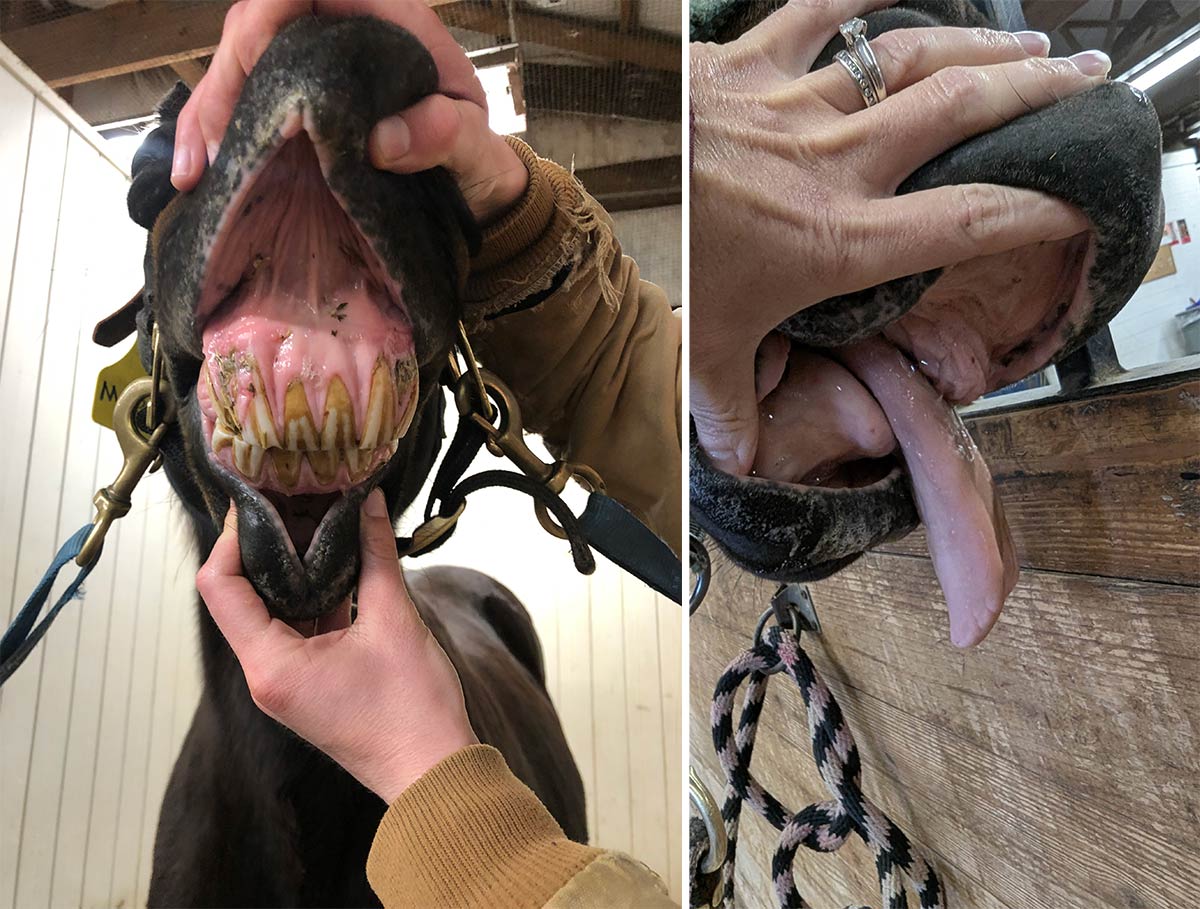
Picture 4 and 5: The horse on the left is displaying signs of EOTRH, the same horse a few months later needed to have the front incisors removed to alleviate the pain of EOTRH.
Inadequate Dentition/Tooth Loss
All horses should have regular tooth care, as they have hypsodont teeth, which continuously erupt over their lifetime, and some horses will 'outlive' their teeth. Horses with dental problems may show signs such as difficulty chewing, changes in behavior, weight loss, and a foul odor or discharge from the mouth. Horses' teeth frequently form sharp points on the outside of the upper molars and inside of the lower molars, especially if fed only dry hay and grains. These points make it painful to chew and cause the horse to dribble feed or partially chewed boluses of hay from its mouth ("quidding").
Older horses can also develop a painful and debilitating dental disorder named 'equine odontoclastic tooth resorption and hypercementosis" (EOTRH), which affects the incisors and canine teeth. Once the disease has progressed, the clinical signs can include red or bumpy gums, inflammation, pain during chewing, and affected teeth are typically extracted. But tooth loss may also occur naturally, and, especially, loss of the molars or premolars, reduces the ability to adequately chew food. If a molar or premolar tooth is missing, the opposing tooth will grow down into the space (wave mouth), making it difficult to chew. Abnormal dentition predisposes the horse to weight loss and/or "choke" (impaction of inadequately chewed/dry feed in the esophagus).
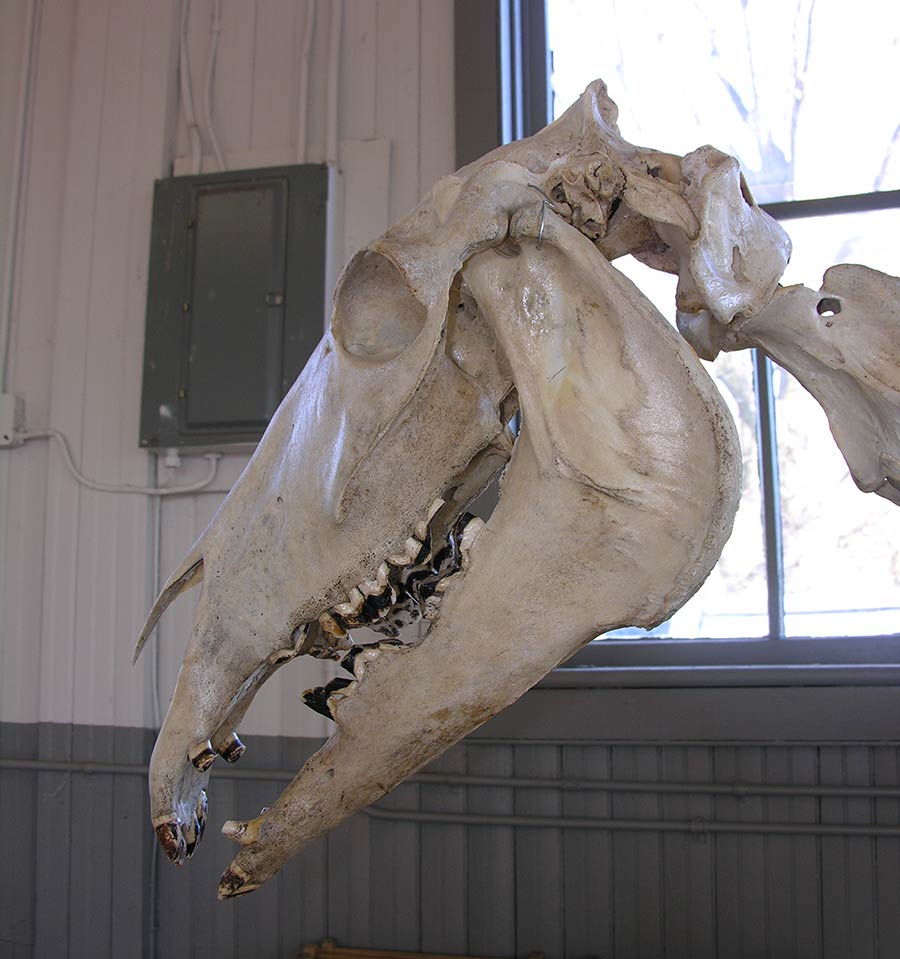
Picture 6: This skull shows a severe wave mouth due to the loss of several teeth on the top and bottom arcade.
Older horses, especially those known to have missing molars, should have their teeth checked at least twice a year. If chewing is difficult, "soups" of soaked hay cubes or beet pulp plus pelleted or extruded feeds designed for old horses should be offered. Sufficient water should be added to make a soupy consistency (at least 1 quart of water per pound of feed) to prevent choking. Use warm water, especially in winter, as cold can hurt sensitive gums. Be sure to adjust the ratio of water to feed for palatability based on the individual horse. Also note any leftover "juice" at the end of the meal, that can contain nutrients which leached out of the feed. The soaked feed can easily ferment (summer) or freeze (winter), so should only be offered in amounts that the horse will consume easily in a single meal. This may require that the horse is fed three or more times a day to meet its nutritional needs. Hay can still be fed if choking is not a problem, even if most of it is wasted. Access to good pasture is desirable. Therefore, proactively managing dental health and adapting their diet and environment significantly improve the quality of life for an aged horse with inadequate dentition, helping them stay healthy and comfortable.
Pituitary Pars Intermediate Dysfunction (PPID)
PPID (formerly known as Cushing's) is the most common hormonal disorder in older horses and affects about 20% of horses and ponies over the age of 15 years. PPID is an age-related disease, and the prevalence increases in horses over 30 years of age to 30%. The most characteristic clinical sign of PPID is an abnormal hair coat, but there are also other clinical signs like reduced performance, muscle loss, lethargy, laminitis, and recurrent infections that can be associated with PPID (see Table 1). Horses with PPID are also often experiencing insulin dysregulation and should therefore be tested for insulin dynamics. After a high sugar or starch meal, blood levels of both glucose and insulin can become abnormally high, which contributes to the clinical signs of dysfunction. High fat (>10%) and fiber (>10%) feeds that are pelleted or extruded result in more moderate glucose and insulin responses after feeding and may help control this problem. "Sweet feeds" with high (>3%) molasses should be avoided. Drug treatments for pituitary dysfunction are available. Consult your veterinarian for the latest information.
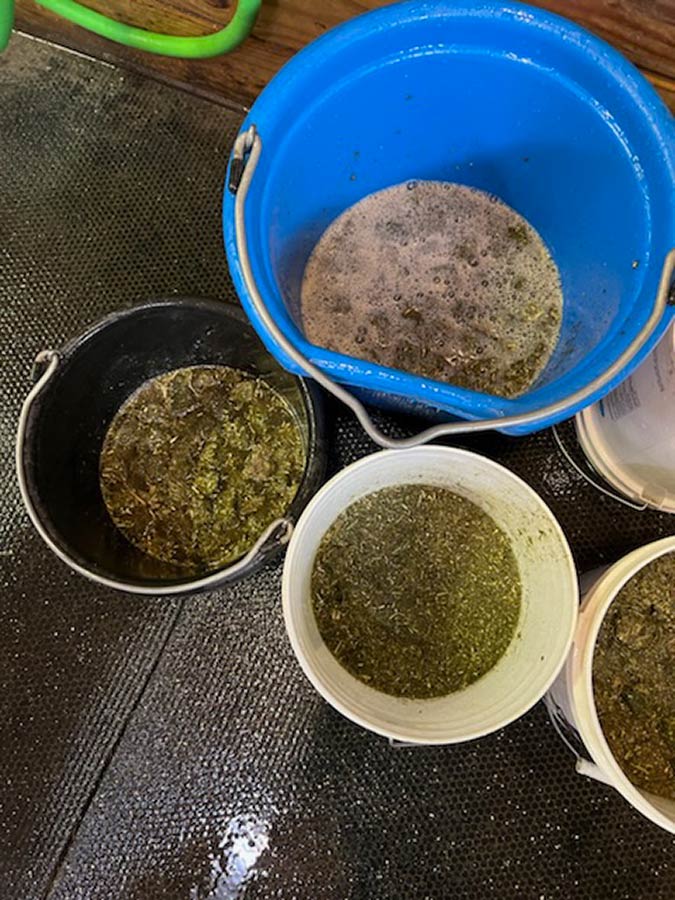
Picture 7: Soaking hay cubes and feed prior to feeding it to horses.
In addition, horses affected by PPID may experience changes in immune function and lower blood vitamin C concentrations which could contribute to the elevated infection risk. Changes in immune function also seem to occur in older horses without PPID, but the changes appear to be somewhat different in old horses vs. old PPID-positive horses. If chronic infections are present (skin infections, thrush, hoof abscesses), 0.01 gm ascorbic acid (Vitamin C) per pound of body weight added to the feed twice a day may be beneficial but should only be continued until the infections heal. If water intake and urine output are increased, fresh, clean water should be available free choice. If obesity or chronic founder is a problem, the horse's access to grain should be restricted, if not eliminated, and sudden dietary changes avoided at all costs. Thick hair coats should be clipped in the summer in addition to providing shelter from the sun.
Thyroid Disease
Many horses over the age of 20 have at least subclinical signs (altered glucose and cortisol metabolism) of pituitary/ thyroid dysfunction. See Table 1 for the classic clinical signs. Iodine is an essential trace mineral that helps to maintain thyroid health, metabolic function, immune support, and overall vitality. An average 1100 lb. horse requires about 3.5 to 4 mg of iodine per day, and most forages and grains are low in iodine. The common iodine sources include iodized salt, calcium iodate, Ethylenediamine dihydriodide (EDDI) and Kelp meal. One of the easiest ways to provide iodine is through salt blocks that contain added iodine. Ensure your horse has access to this throughout the year. If chronic infections are present (skin infections, thrush, hoof abscesses), 0.01 gm ascorbic acid (Vitamin C) per pound of body weight added to the feed twice a day may be beneficial but should only be continued until the infections heal. If water intake and urine output are increased, fresh, clean water should be available free choice. If obesity or chronic founder is a problem, the horse's access to grain should be restricted, if not eliminated, and sudden dietary changes avoided at all costs.
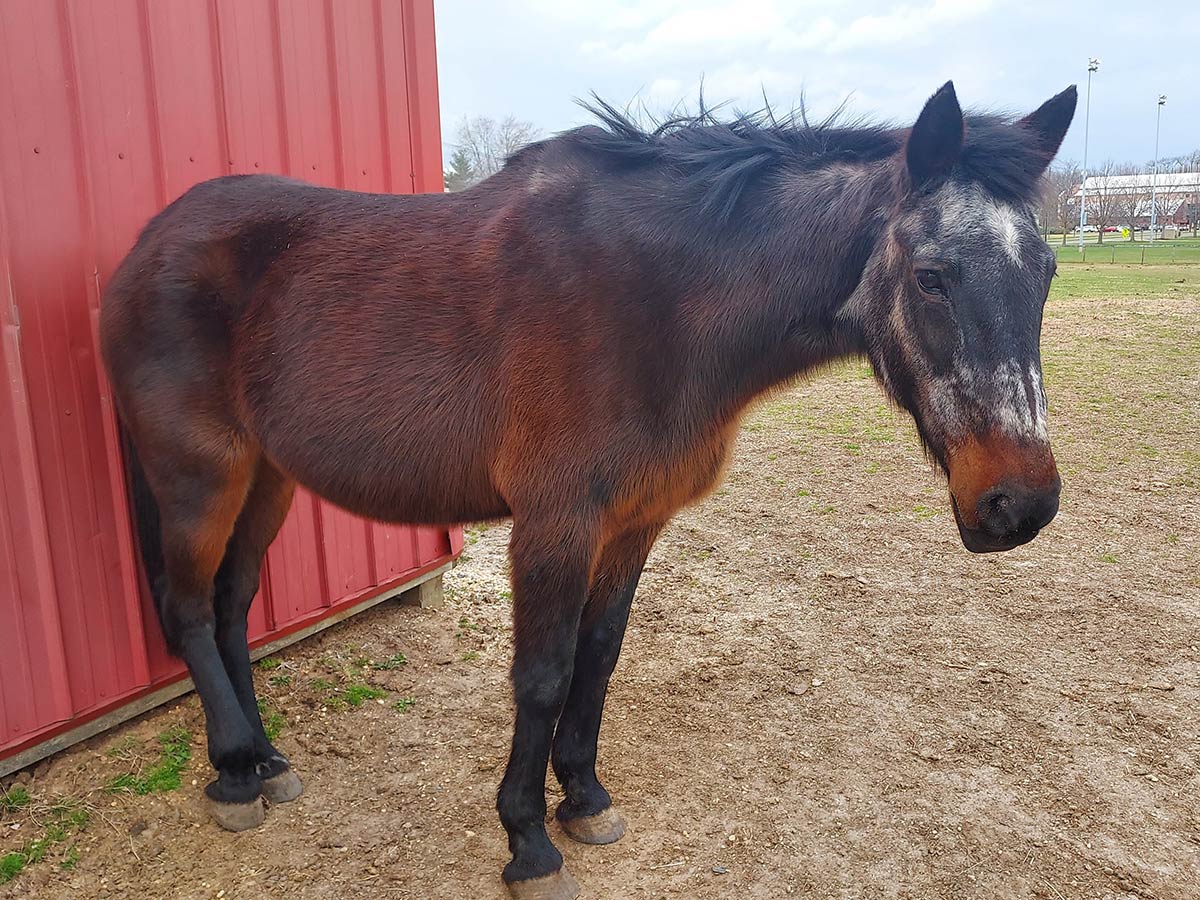
Picture 8. An older horse with classic signs of PPID, a long and shaggy hair coat well into the Spring.
In general, naturally occurring thyroid disease is rare in horses. The most specific sign of thyroid disease is the development of a "goiter" (an enlarged thyroid gland), which, if detected, should prompt a veterinary visit. Horses with goiters can experience "hyperthyroidism" (the over production of thyroid hormones), if the goiter is a functional thyroid tumor. Clinical signs of functional thyroid tumors include hyperexcitability, weight loss, and a heightened heart rate. Most goiters are, however, benign and only need to be monitored.
Reduced Kidney Function
Chronic kidney failure is not as common in aged horses (only estimated to be 0.12% in veterinary studies) as it is in cats (1–3%) and dogs (0.5–1%) but still can occur. The degeneration of the kidney's ability to function is progressive and irreversible but can be slowed, and the clinical signs managed to a degree with diet. Therefore, any horse with a diseased kidney should be evaluated by a veterinarian, as dietary changes will be only part of the treatment and overall management of these horses.
Reduced kidney function results in renal stones (calculi), bladder stones, weight loss, loss of appetite and, potentially, death. Horses are unique in that they primarily excrete excess dietary calcium through their urine instead of their feces as do other animals. As a result, if kidney function is reduced, renal and bladder "stones" of calcium oxalate are more likely to occur as well as an increase (potentially lethal) in blood calcium. Horses with kidney failure should be put on low-calcium diets (< 65% calcium on a dry matter basis). Based on data from other species, protein and phosphorus also should be restricted to 8 to 10% and about 0.25%, respectively. Good quality grass hay and a complete pelleted ration for mature horses are the feeds of choice. Avoid legumes (such as alfalfa and clover), wheat bran, and beet pulp because their mineral content places additional strain on compromised kidneys. Legumes and beet pulp are high in calcium, which horses primarily excrete through their urine; when kidney function is reduced, excess calcium cannot be eliminated efficiently, increasing the risk of dangerous calcium accumulation and stone formation. Wheat bran is high in phosphorus, which can further disrupt the calcium‑phosphorus balance and exacerbate kidney workload.
Reduced Liver Function
Liver failure, or the loss of more than 70% of normal liver function, is relatively rare in horses. However, milder forms of liver disease occur more commonly and can significantly affect a horse's health and nutritional needs. When liver function is compromised, horses may experience weight loss, lethargy, jaundice (yellowing of the mucous membranes), reduced appetite, and an intolerance for diets high in fat or protein. In more severe or acute cases, behavioral changes such as irritability, aimless wandering, circling, or pressing the head against objects can develop.
Because the liver plays an essential role in regulating blood glucose, affected horses often require increased dietary sources of readily available carbohydrates. Their diets should emphasize starch-based feeds (such as grains or concentrates) to help maintain blood glucose levels. At the same time, excess dietary protein and fat should be avoided, as the impaired liver cannot process these nutrients efficiently. Fiber sources, including grass hay and moderate amounts of beet pulp, remain important to maintain normal gastrointestinal function. Grass hay and low‑protein concentrates are the preferred foundation of the ration, and both wheat bran and beet pulp are acceptable supplemental fiber sources in these cases.
The liver is also a primary site of B‑vitamin (particularly niacin) and ascorbic acid (vitamin C) synthesis. Horses with reduced liver function may therefore benefit from daily supplementation with B‑complex vitamins (brewer's yeast is a useful source) and vitamin C at approximately 0.01 g per pound of body weight.
Summary
A horse should not be treated differently simply because it has reached a certain chronological age. Thanks to advances in nutrition, veterinary care, and overall management, many horses today remain healthy, active, and engaged well into their late twenties and even thirties, far longer than was typical 30 years ago. When age‑related changes do occur, thoughtful adjustments in care, diet, and medication can greatly improve comfort and quality of life. Providing adequate shelter is important, especially during winter, yet maintaining freedom of movement remains equally essential. Whenever possible, avoid confining an arthritic older horse to a stall, as regular, gentle movement helps preserve mobility and overall well‑being.
| Conditions | Clinical Signs | Causes | Management considerations |
|---|---|---|---|
| Arthritis |
|
|
|
| Weight loss |
|
|
|
| Muscle loss |
|
|
|
| Inadequate dentition |
|
|
|
| PPID |
|
|
|
| Thyroid disease |
|
|
|
| Kidney/liver failure |
|
|
|
| *See Diet Recommendations in Table 2. | |||
| Conditions | Recommended Diet Characteristics | Feeds/Supplements |
|---|---|---|
| Weight loss not due to liver or kidney failure |
|
|
| Muscle Loss |
|
|
| Inadequate dentition |
|
|
| PPID / Thyroid Disease |
|
|
| Kidney failure |
|
|
| Liver failure |
|
|
Additional Reading
Acknowledgements
The authors would like to thank original co-author Sarah L. Ralston, VMD, Ph.D., DACVN, a retired Animal Sciences faculty member for her contribution to pieces of this updated version.
Photo Credits: C. Williams, Equine Extension Specialist, Rutgers University
April 2026
Copyright © 2026 Rutgers, The State University of New Jersey. All rights reserved.
For more information: njaes.rutgers.edu.
Cooperating Agencies: Rutgers, The State University of New Jersey, U.S. Department of Agriculture, and Boards of County Commissioners. Rutgers Cooperative Extension, a unit of the Rutgers New Jersey Agricultural Experiment Station, is an equal opportunity program provider and employer.