

Fact Sheet FS1392
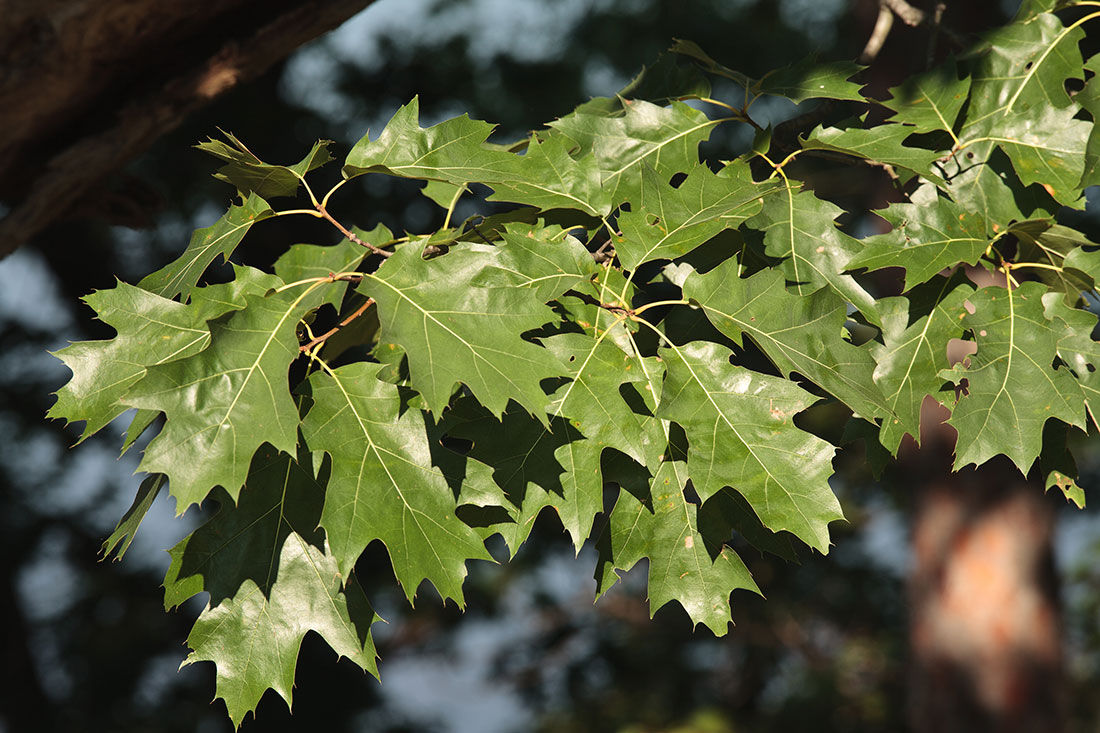
Figure 1: Northern red oak foliage.
Northern red oak (Quercus rubra) is New Jersey's state tree and is distributed across the Eastern United States and Southeastern Canada. It is a tall, fast growing deciduous species, that can reach 65–100 feet in height and are long lived, especially in high-quality sites. Northern red oak is an important component of natural upland forest ecosystems providing numerous faunal resources and well as plant community benefits. It is commonly planted in urban areas and parks for shade. However, northern red oak is susceptible to several diseases and pests that can pose challenges for management.
Identification
- Leaf arrangement and branching pattern are alternate.
- Individual leaves are 4–10 inches long and 3–6 inches wide, typically exhibiting 7–11 pointed, bristle-tipped lobes with sinuses that extend less than halfway toward the midvein. The upper leaf surface is dark green, while the underside is lighter green, leaves transition to red or brown in the fall.
- Zoom inTerminal buds are large and clustered; each has a conical shape with reddish brown scales that are mostly hairless but can exhibit light pubescence. Lateral buds are singular and smaller than terminal buds.
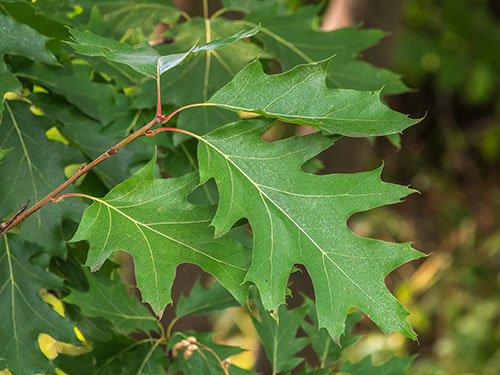
Figure 2: Northern red oak leaves and twig up close.
- Twigs are glabrous and are moderately stout.
- Acorns measure about half an inch to an inch long and mature during the second growing season. Acorn caps enclose less than 1/3 of the acorn and resemble a beret hat.
- Bark is dark gray to black bark often with flat-topped ridges and darker furrows that can look like ski trails.

Site Characteristics
Northern red oak has evolved to germinate and grow as a young tree in light to partial shade of other canopy species and once it reaches canopy heights it is adapted to full sun. It has intermediate shade tolerance and can adapt to grow in full sun even though some afternoon shade during establishment is beneficial.
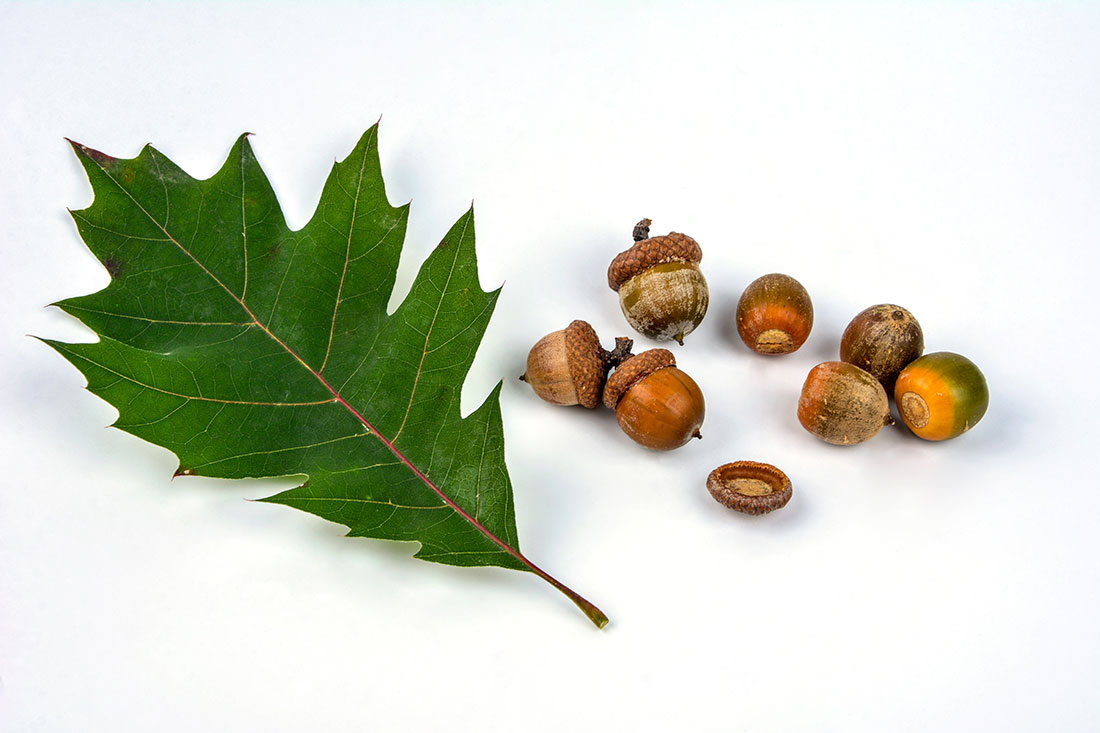
Figure 3: Northern red oak leaf and acorns.
Soils associated with this species are well-draining, moderately to slightly acidic, ranging from sandy or rocky sites to deep loams, silts, and even clays. Yet, northern red oak grows best in deep but well-drained loam to silt loam. Native habitat includes mesic to dry-mesic forests, ravines, and north and east slopes. This species is naturally found in uplands and rarely occurs in wetlands; it is not considered flood tolerant but benefits from moderate soil moisture.
Uses
Northern red oak is a valuable source of lumber due to its strength and resilience; uses range from furniture, flooring, and cabinetry to railroad ties and veneer. In the landscape setting, northern red oak is used as a shade tree because of tolerance to different site conditions. It's frequently planted in parks and urban settings due to its large size and longevity; it can live 200–300 years and even beyond 400 years in optimal, healthy forest conditions.
Ecology
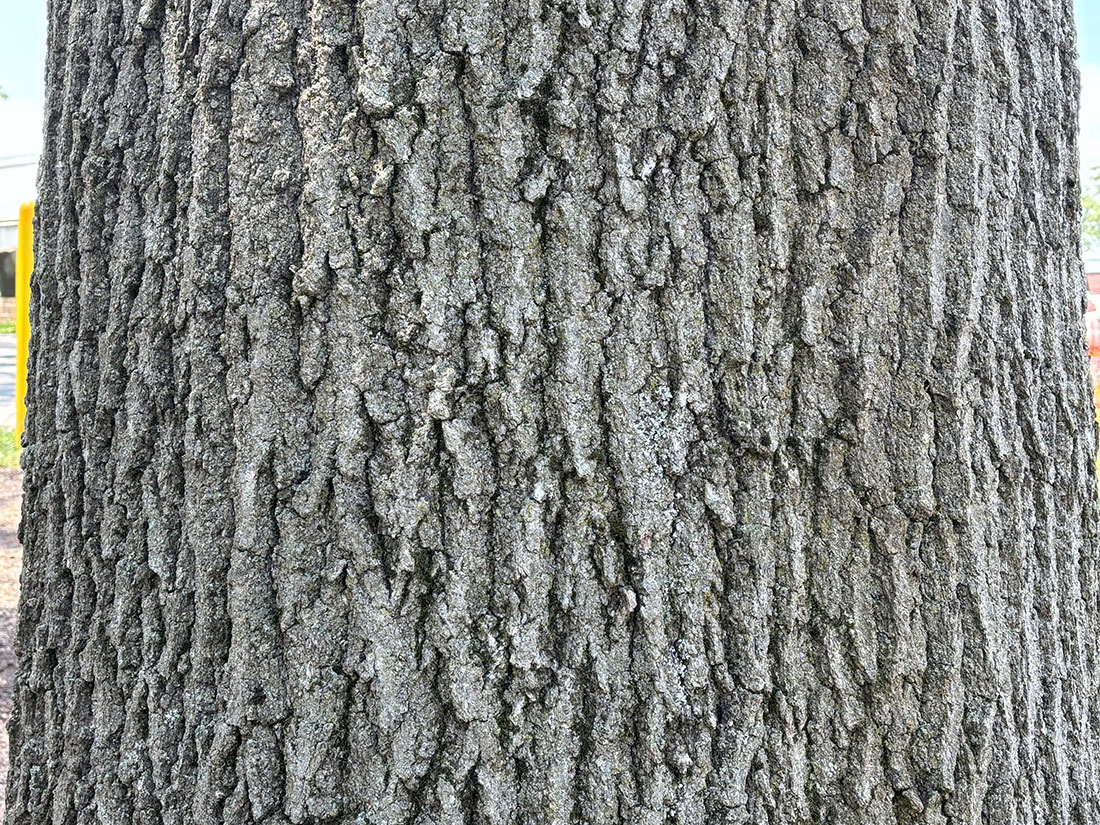
Figure 4: Mature bark of the northern red oak. Photo by Rebecca Alabastro, taken on Red Oak Lane, Cook Campus, Rutgers University.
A diverse array of animal species in New Jersey utilize northern red oak. Mammals such as white-tailed deer and cottontail rabbits browse on northern red oak leaves and seedlings. Squirrels, black bears, raccoons, and chipmunks feed on northern red oak acorns. Bird species including the blue jay, red-bellied woodpecker, tufted titmouse, white-breasted nuthatch and chickadees rely on northern red oak acorns as an important food source. Additionally, many of New Jersey's woodpecker species and insectivorous birds utilize the trees to forage for insect prey. Northern red oak also serves as valuable nesting and perching sites for many songbirds, denning and refugia for small mammals.
Hundreds of species of insects utilize northern red oak for forage and shelter, such as beetles, weevils, aphids, leafhoppers, treehoppers, walking sticks. The pollen provides forage for early spring bees, such as the oak-mining bee (Andrena ferox). Larvae of approximately 180 species rely on it as a host plant such as duskywing skippers, hairstreak butterflies, gall wasps, gall flies, and numerous moth species.
The leaves of northern red oak are thick, and the leaf litter provided by this species offer moist, sheltered habitat for amphibians and reptiles, including eastern box turtles, spring peepers, and American toads, as well as hundreds of insect species for overwintering and larval hosting.
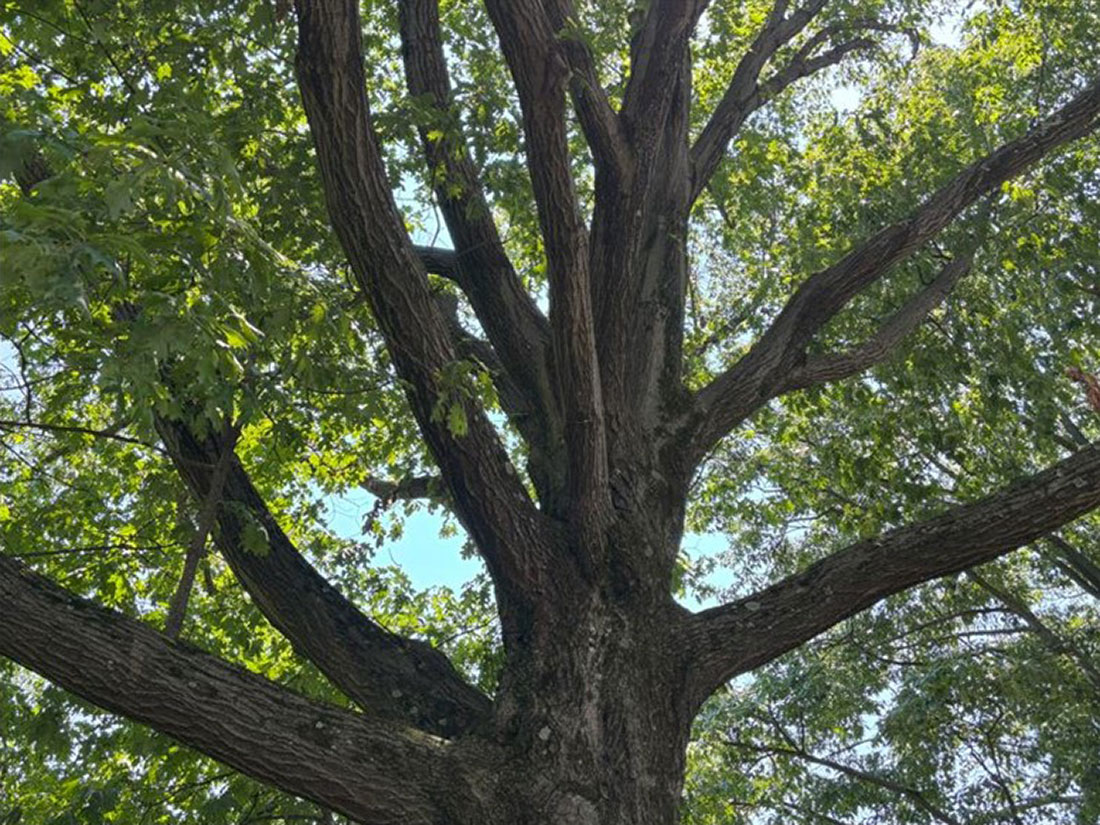
Figure 5: Branching structure of an open-grown, mature northern red oak. The “ski trail” bark pattern can be seen here. Photo by Rebecca Alabastro, taken on Red Oak Lane, Cook Campus, Rutgers University.
Leaves of northern red oak and other native oaks provide ecological benefits as they degrade slowly, protecting soil moisture and help to prevent invasive species germination and spread. The degrading leaf litter importantly feeds the natural soil microbiome. This promotes invaluable ectomycorrhizal fungi species that oaks have evolved with to naturally uptake soil nutrients, access water, and communicate and share resources with other trees and forest understory plants to provide overall health and climate resiliency to forests.
Many native understory forest plants depend on oaks and their specific mycorrhizal associations to access essential photosynthates and nutrients. Some, such as ghost pipe and bear corn, are parasitic species that lack chlorophyll entirely, while others like striped wintergreen and American pyrola are mixotrophs that partially rely on these fungal networks. The decomposition of oak leaf litter helps maintain acidic soil conditions vital to soil microbial health and the mycorrhizal fungi that support ericaceous understory species, including pinxter azalea, hillside blueberry, and huckleberry—common plant associates of northern red oak.
Northern red oak naturally occurs as either a dominant tree species or a component of hardwood forests, mixed oak forests, and oak-hickory forests across the state. Common tree species associates include oaks (white, black, scarlet, chestnut), hickories (shagbark, mockernut, pignut, bitternut), black birch, sugar maple, flowering dogwood, downy serviceberry, American hornbeam, and hop-hornbeam among many others.

Figure 6: “Ski trail” bark texture often found on northern red oak. Photo by Jean Epiphan, taken at the Rutgers Snyder Research & Extension Farm forest tract.
Pests & Diseases
Several notable diseases and pests are known to affect northern red oak in New Jersey include the following:
Other diseases that can impact northern red oak but have not yet been recorded in New Jersey include oak wilt, and sudden oak death. Oak wilt is caused by the fungus Bretziella fagacearum, which results in leaf discoloration and rapid tree mortality. Oak wilt has been confirmed in Pennsylvania. Sudden oak death is caused by the fungus Phytophthora ramorum, which has caused widespread oak mortality in California and Oregon.
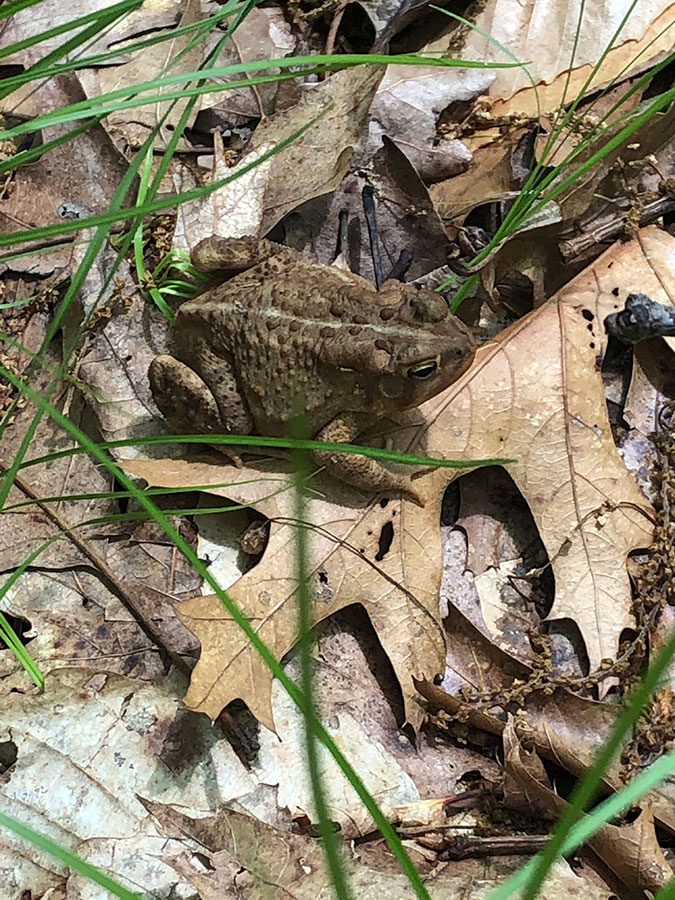
Figure 7: An American toad (Anaxyrus americanus) camouflaged among northern red oak leaf litter. Photo by Jean Epiphan, taken at the Jockey Hollow Sector of Morristown National Historical Park.
Oak wilt and sudden oak death can be mistaken for BLS, and BLS can be mistaken for drought symptoms. Proper identification of causal agents and accurate diagnosis by experts are critical to management steps. In New Jersey, it is best practice to send oak leaf and branch samples to the Rutgers Plant Diagnostic Laboratory.
Important Note: for disease prevention, oaks should not be pruned, trimmed, or felled during the growing season. The best and safest time to prune or fell oaks is December through February.
References
March 2026
Copyright © 2026 Rutgers, The State University of New Jersey. All rights reserved.
For more information: njaes.rutgers.edu.
Cooperating Agencies: Rutgers, The State University of New Jersey, U.S. Department of Agriculture, and Boards of County Commissioners. Rutgers Cooperative Extension, a unit of the Rutgers New Jersey Agricultural Experiment Station, is an equal opportunity program provider and employer.